Generating Livelihoods

Generating Livelihoods

We strongly believe that livelihood transforms lives. By nurturing skills, providing opportunities, and mentorship, we open pathways for entrepreneurship. Empowering women to earn, grow, and lead with confidence
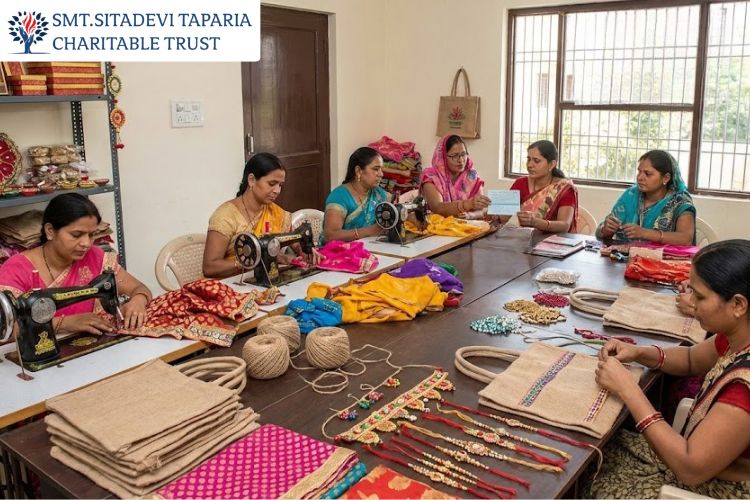
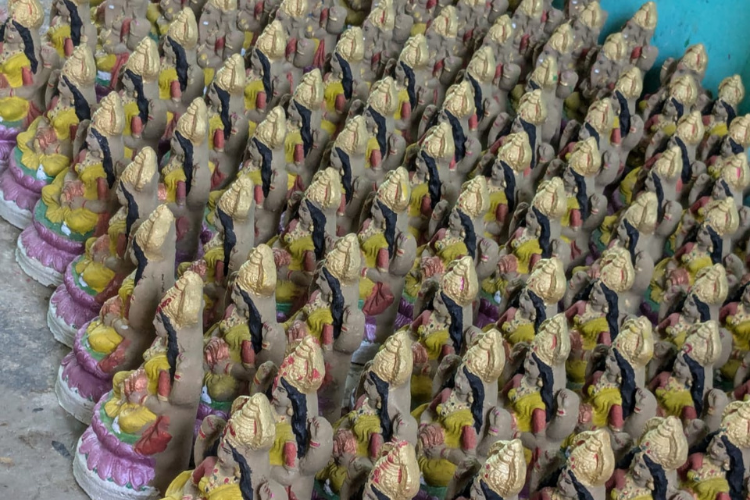
 

Self-Help Groups (SHGS)

The Trust works with local women’s groups in Mathura to empower them through skills training and economic opportunity. These groups engage in crafting traditional Poshaks(deity attire), Jute bags, torans, rahkis, and diwali gift articles

By facilitating access to banking services and linking them to broader markets, the initiative encourages self-reliance and income generation

Cow Dung Crafts

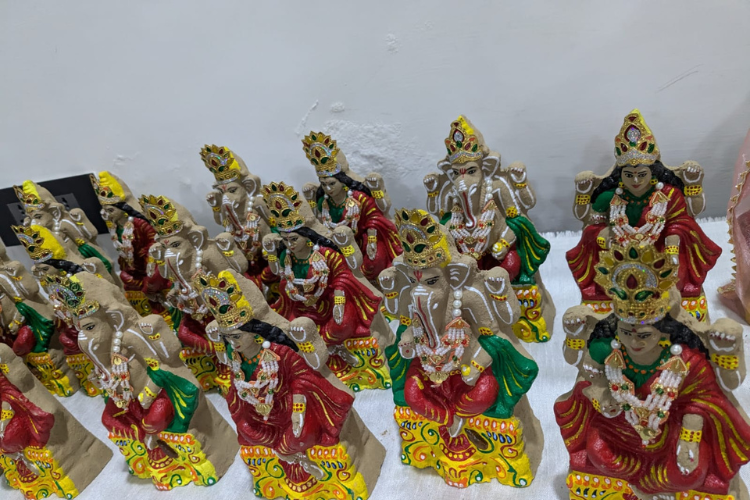
As part of the self-help group initiative, the Trust has promoted the production of eco-friendly products made from cow dung. These products serve as an innovative way to recycle and utilize natural resources while creating a steady income source for women. The focus on sustainability and traditional craftsmanship provides both environmental and economic benefits to the community.

Sanjhi Project

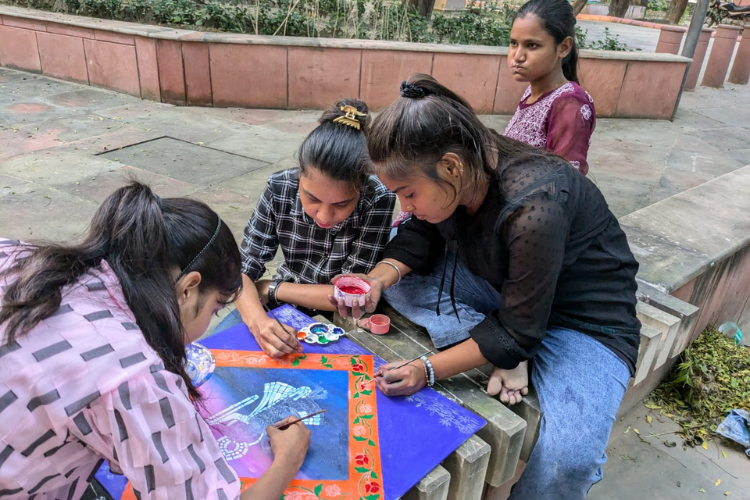
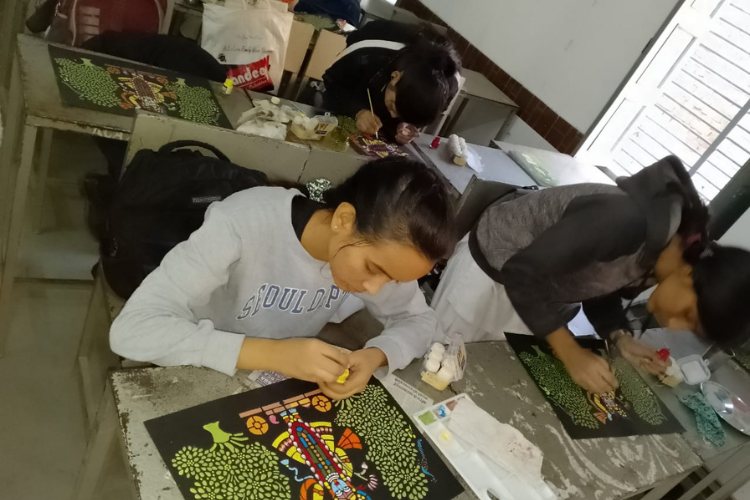
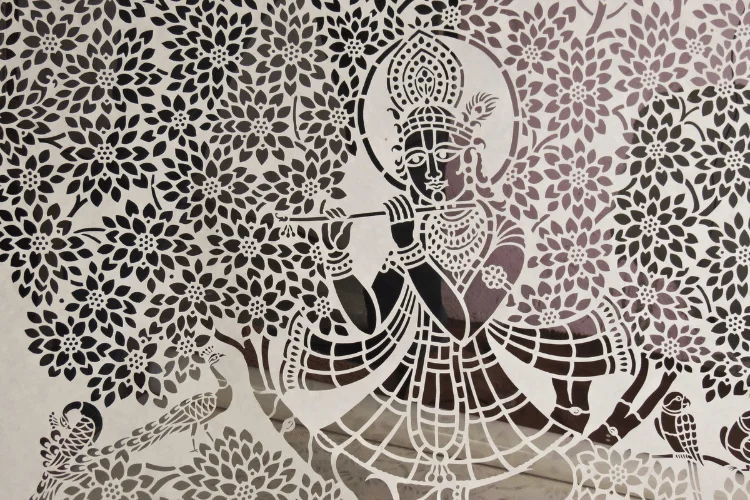
The Sanjhi Project is a key initiative in the Trust’s women empowerment efforts, where the ancient art of Sanjhi is preserved and promoted. Women in the SHGs are trained in this traditional craft, enabling them to create beautiful, marketable products. This initiative helps empower women by preserving cultural heritage while providing them with financial independence through their work.

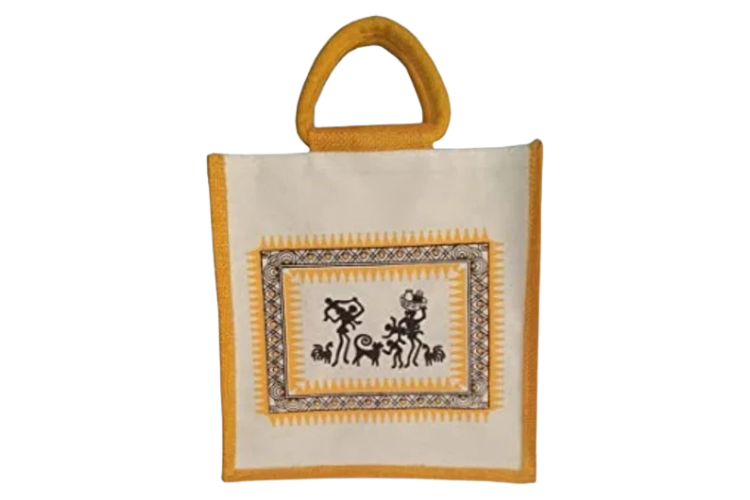
Bag stitching

The Bags Initiative enables women’s groups to design and produce a wide range of functional and stylish bags—using both traditional and contemporary techniques. Emphasis is placed on quality craftsmanship, creative designs, and the use of sustainable materials. Through this initiative, women develop valuable entrepreneurial skills and gain access to broader markets.

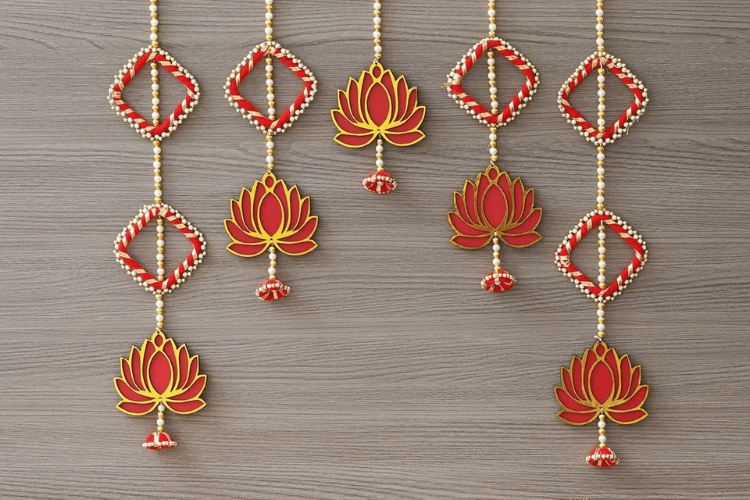
Torans

The Torans project focuses on the art of creating decorative door hangings, an integral part of Indian home decor and festivities. Women artisans are taught to craft torans using recycled fabrics, mirrors, beads, and embroidery, reflecting regional aesthetics and sustainable practices. These colorful adornments not only beautify living spaces but also foster community pride, ecological consciousness, and women’s entrepreneurship.  

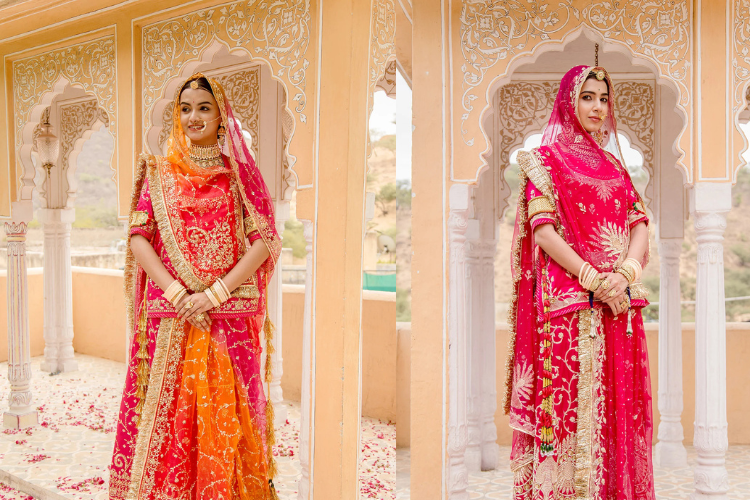
Poshak

The Poshak Project seeks to revive and celebrate the rich tradition of hand-crafted ceremonial clothing, commonly worn during festivals and religious events. Women artisans are trained in traditional textile arts, including embroidery, applique, and embellishment, empowering them to create exquisite garments that honor cultural heritage. This initiative not only safeguards ancient techniques but also enables artisans to market their creations for additional income. 
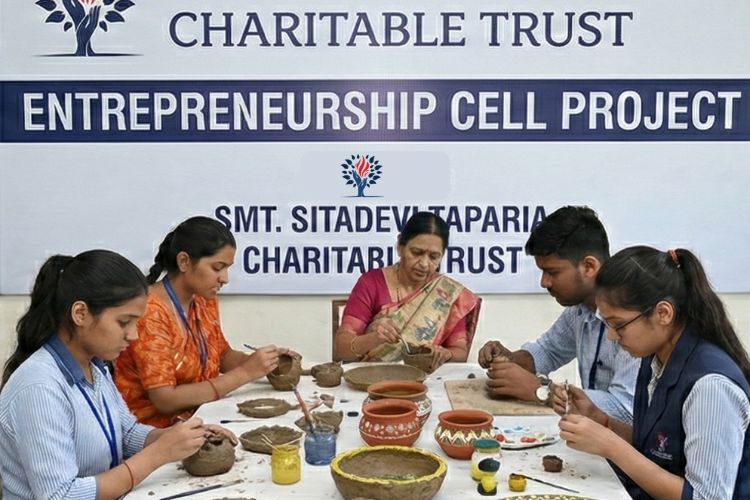
Entrepreneurship Cell Project

An Entrepreneurship Cell has been established by the Trust, which takes in students from the advanced courses of the SDTT Vocational Institute and trains and mentors them to collectively undertake orders and do job work.

Areas of work include:

  • Stitching Cell: Work is carried out under the close supervision of a dedicated coordinator who emphasizes quality control and timely execution of orders.
  • Cow Dung Craft: Eco-friendly items made from cow dung are developed, promoting sustainability and creativity.
  • Braj Sanjhi Art: Revival of the traditional art of Braj through training and production of artifacts to create livelihood while preserving our cultural heritage.